The RO device is generally controlled automatically by PLC (Programmable Logic Controller) program, which requires the PLC to have strong anti-interference ability, rich program instructions, and fast operation speed to ensure the safety and stability of the control system.
PLC control content:
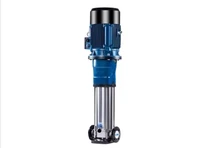
First, the control of high pressure pump
The pressure limit value is set at the inlet and outlet to control the running state of the high pressure pump. The variable frequency high pressure pump controls the running state of the pump through frequency regulation. Seawater desalination should be equipped with energy recovery devices and controls to save power consumption.
Second, the program start and stop of the RO device
Controlled by PLC, it can automatically start and stop programs including metering pump, high-pressure pump, electric slow-opening door, etc., and is interlocked with the level, flow, and pressure of the water tank.

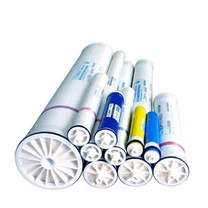
Third, the surface low-pressure flushing of the RO device
When the operation is stopped, the flushing valve and the flushing water pump are automatically controlled to complete the low-pressure flushing process of the membrane surface.
Fourth, the detection and alarm of operating parameters
PLC automatically monitors the operating conditions of high-pressure pumps, metering pumps, electric valves and other equipment, outputs fault alarm signals, and automatically detects operating parameters such as temperature, flow, pressure, liquid level, conductivity, redox potential, and pH. Alarm, and according to the actual situation, determine the operating status of the RO device.
Fifth, the automatic control and adjustment of the dosing amount
PLC automatically adjusts the dosage of various medicines according to the 4-20mA signal or pulse signal output by measuring instruments such as flow rate, pH, redox potential, etc.